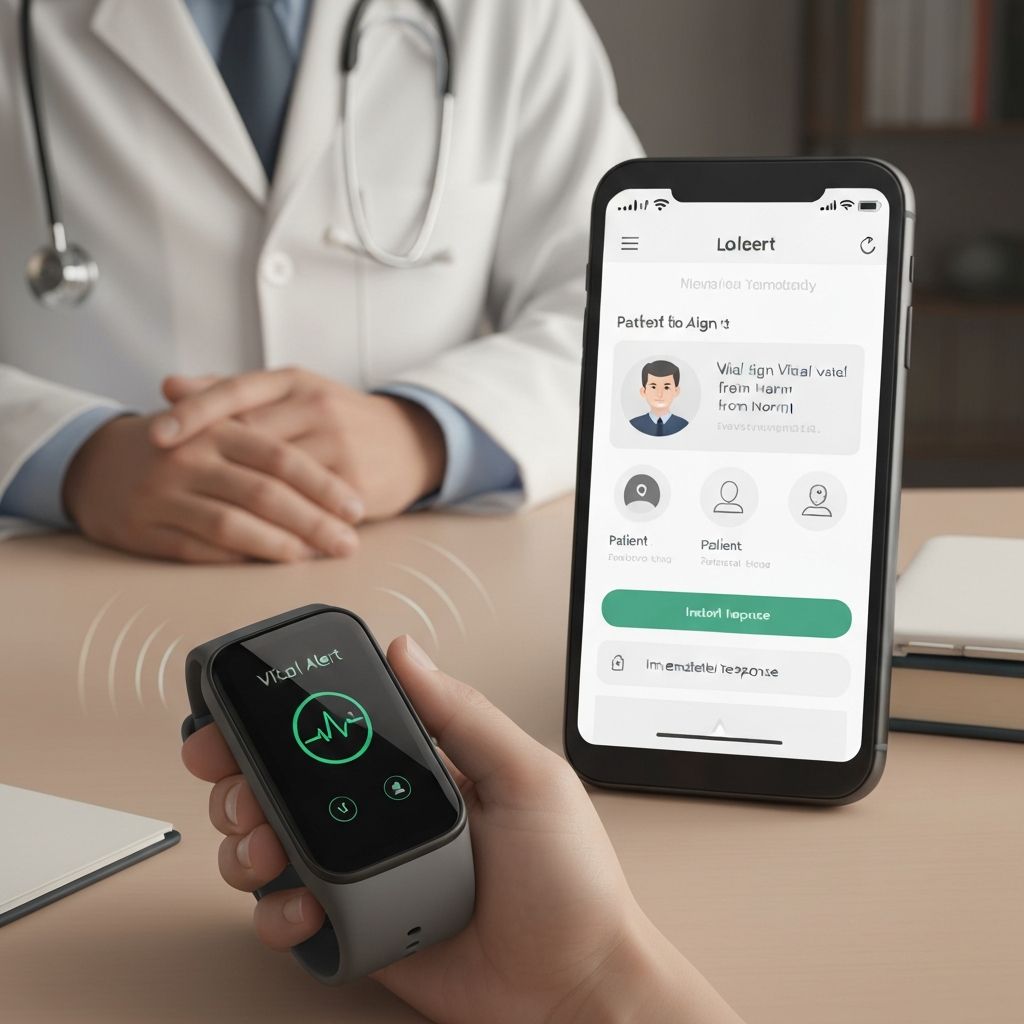
Alert fatigue is one of the biggest challenges facing remote monitoring programs. When care teams are bombarded with hundreds of notifications daily, they start to tune out—and that's when critical readings get missed. Here are five proven strategies to combat alert fatigue while maintaining high-quality patient care.
1. Implement Tiered Alert Prioritization
Not all alerts are created equal. A blood pressure of 142/88 requires different urgency than one of 190/110. Implement a tiered system that categorizes alerts by severity:
- **Critical (Red)**: Requires immediate action within minutes
- **High (Orange)**: Needs attention within hours
- **Moderate (Yellow)**: Review within 24 hours
- **Informational (Green)**: For awareness only, no action required
Visual differentiation helps care teams quickly identify what needs immediate attention versus what can wait.
2. Personalize Thresholds by Patient
Generic thresholds create unnecessary noise. A blood pressure that's concerning for one patient may be normal for another. Take the time to personalize alert thresholds based on each patient's baseline, diagnosis, and care plan.
For example, a heart failure patient on diuretics might have a different weight gain threshold than a diabetic patient. Customization reduces false positives and makes every alert more meaningful.
3. Leverage AI for Smart Filtering
Modern RPM platforms use artificial intelligence to analyze patterns and filter out noise. AI can identify when a reading is likely an error (patient took blood pressure immediately after exercising) versus a genuine concern.
Look for platforms that learn from your team's responses over time, getting smarter about which alerts truly need attention.
4. Establish Clear Escalation Protocols
When everyone is responsible for alerts, no one is. Define clear ownership and escalation paths. Who reviews first? When does it escalate to a provider? What triggers an emergency response?
Written protocols ensure consistent handling and prevent alerts from falling through the cracks during shift changes or busy periods.
5. Monitor and Optimize Regularly
Alert fatigue isn't a one-time fix—it requires ongoing attention. Track metrics like alert volume, response times, and override rates. If your team is dismissing most alerts without action, your thresholds are probably too sensitive.
Schedule regular reviews to adjust thresholds and workflows based on real-world performance. What worked at program launch may need refinement as you scale.
The Bottom Line
Effective alert management is the difference between an RPM program that improves care and one that burns out your staff. Invest in the right technology, take time to customize settings, and continuously optimize based on data. Your patients—and your care team—will thank you.