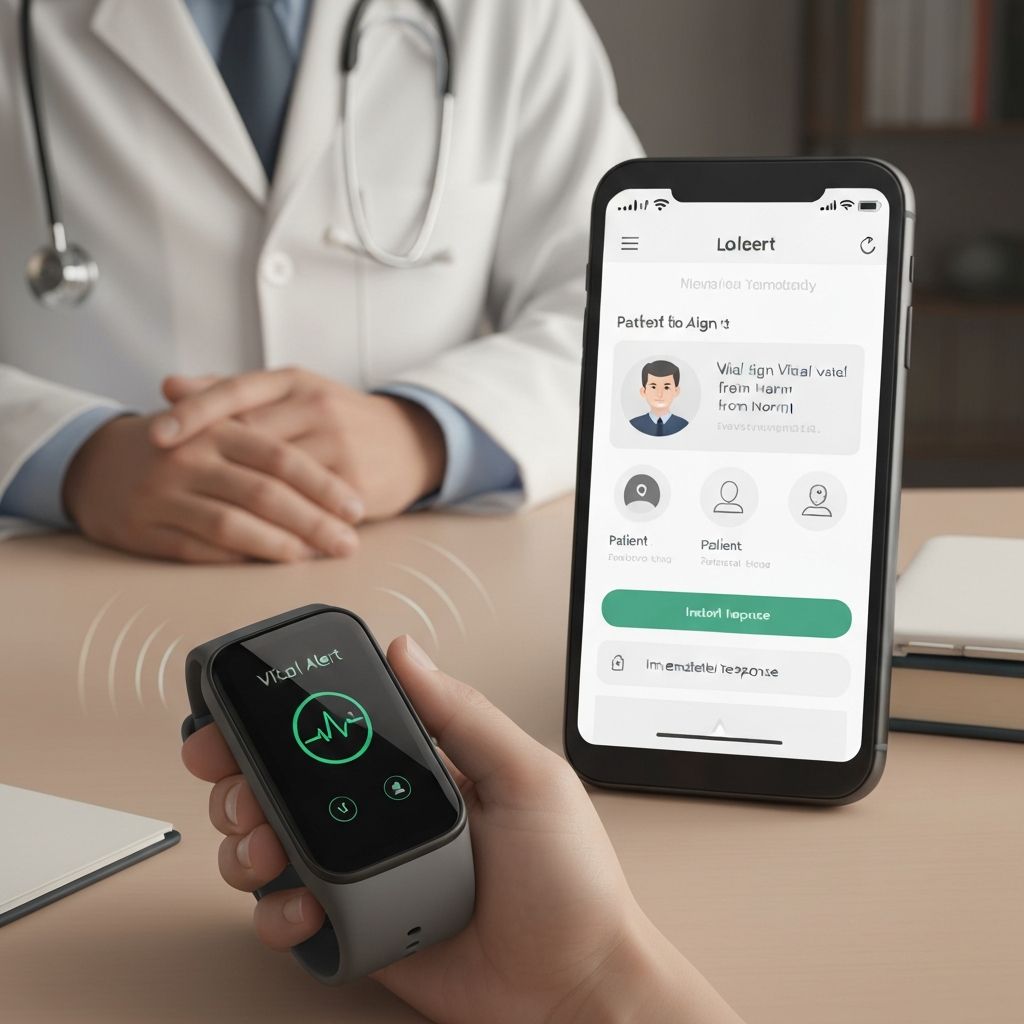

Remote Patient Monitoring (RPM) has evolved from a nice-to-have to a must-have for healthcare organizations. In 2025, the convergence of favorable reimbursement policies, advancing technology, and changing patient expectations creates the perfect environment for RPM investment.
The Reimbursement Landscape
CMS has continued to expand and clarify RPM billing codes, making it easier than ever for practices to generate sustainable revenue from remote monitoring programs. The key CPT codes—99453, 99454, 99457, and 99458—now offer clear pathways to reimbursement for device setup, daily monitoring, and care management time.
For a typical practice monitoring 100 Medicare patients, RPM can generate $50,000-$100,000 in additional annual revenue. That's significant, especially when combined with improved patient outcomes that can boost performance in value-based contracts.
Technology Has Matured
Early RPM programs struggled with clunky devices, unreliable connectivity, and poor patient adoption. Today's RPM solutions are different. Modern devices connect seamlessly via cellular or Bluetooth, automatically transmitting readings without patient intervention. Cloud-based platforms aggregate data from multiple device types and present it in intuitive dashboards.
Artificial intelligence now helps filter and prioritize alerts, reducing the care team burden while ensuring critical readings don't get missed. Integration with major EHRs means RPM data flows directly into the patient record, eliminating duplicate documentation.
Patient Expectations Have Shifted
The pandemic permanently changed how patients view remote care. Patients now expect the convenience of managing their health from home, with less frequent office visits and more digital touchpoints. RPM meets these expectations while actually improving the quality of care.
Studies consistently show that patients enrolled in RPM programs have better medication adherence, improved chronic disease control, and higher satisfaction scores. They feel more connected to their care team, even when they're not in the office.
Getting Started
If you've been on the fence about RPM, 2025 is the year to act. Start by identifying your target population—patients with hypertension, diabetes, heart failure, or COPD are ideal candidates. Choose a platform that integrates with your EHR and offers comprehensive support for billing and compliance.
Consider partnering with an organization like Hoss-Kick that can provide the technology, clinical support, and expertise to launch your program successfully. With the right partner, you can be up and running in weeks, not months.
The Bottom Line
RPM isn't just about technology—it's about delivering better care, improving patient satisfaction, and building a more sustainable practice. The economics have never been more favorable, and the clinical benefits are well-established. If you're not already offering RPM, there's no better time to start than now.