Choosing the right remote monitoring devices is critical to your RPM program's success. The wrong device leads to frustrated patients, unreliable data, and abandoned programs. Here's how to make smart device decisions.
Connectivity Matters Most
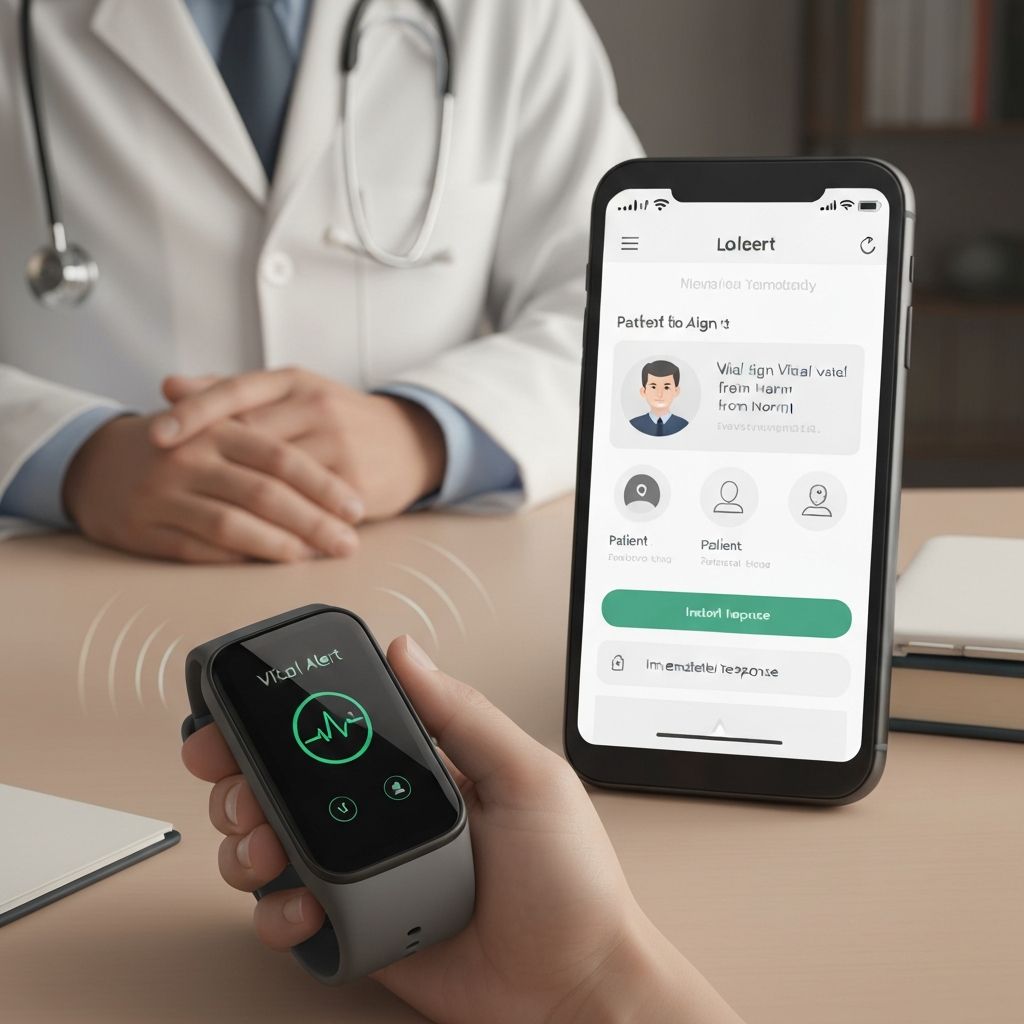
The single most important factor in device selection is connectivity. Devices that require patients to manually sync data or navigate smartphone apps will have lower adherence than those that transmit automatically.
Cellular-connected devices are the gold standard—readings transmit automatically without WiFi or smartphone pairing. Bluetooth devices work well for tech-savvy patients but require regular syncing. Avoid devices that require manual data entry.
Match Devices to Patient Populations
Elderly Patients: Choose devices with large displays, simple one-button operation, and automatic transmission. Cellular connectivity eliminates smartphone requirements.
Working-Age Adults: These patients may prefer sleeker, smartphone-integrated devices. Bluetooth with a well-designed app can work well here.
Low-Dexterity Patients: Consider cuff designs and button sizes. Some blood pressure monitors have easier cuff application than others.
Multiple Conditions: Patients monitoring multiple vitals may benefit from devices from the same manufacturer that work together seamlessly.
Essential Device Categories
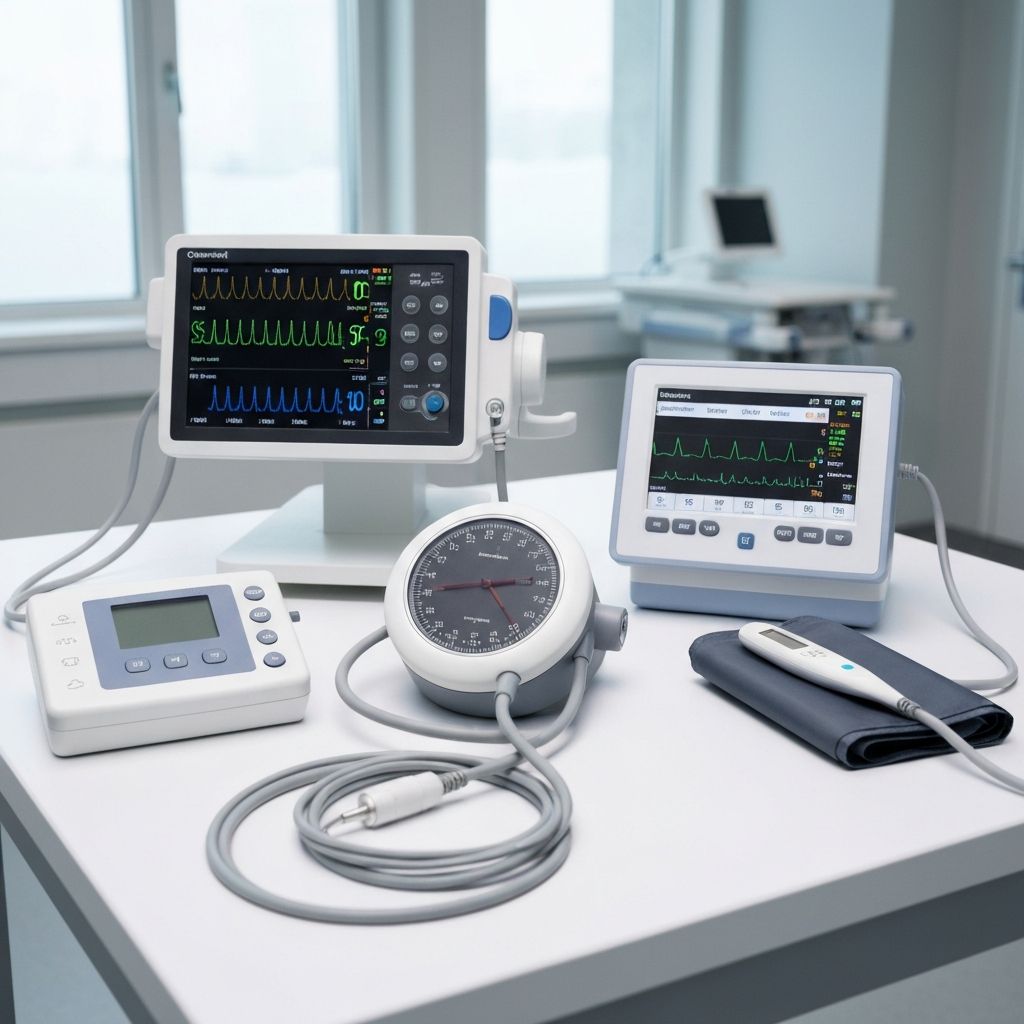
Blood Pressure Monitors: The workhorse of most RPM programs. Look for validated accuracy (check for FDA clearance and clinical validation), proper cuff sizing options, and reliable connectivity.
Glucose Meters: For diabetic patients. Continuous glucose monitors (CGMs) provide richer data but cost more. Traditional meters with connected strips work well for daily spot checks.
Pulse Oximeters: Essential for respiratory patients. Choose finger clip designs with good accuracy at lower saturation levels.
Weight Scales: Critical for heart failure management. Look for scales that transmit automatically when the patient steps on—no buttons required.
Vendor Considerations
Don't just evaluate devices—evaluate vendors. Consider device reliability and warranty, ongoing supply costs (test strips, cuffs, batteries), technical support for patients and staff, and integration capabilities with your RPM platform.
A comprehensive RPM platform like Hoss-Kick can help navigate device selection and manage the device lifecycle from deployment through support.